

Royalton Punta Cana Family All-Inclusive Getaway
29 Ocak 2026Grandpashabet ile Kesintisiz Oyun: Sorun ve Çözüm
29 Ocak 2026Tracing the evolution of casinos From ancient games to modern marvels
The Origins of Gambling
The concept of gambling has ancient roots, dating back to civilizations like the Chinese, Greeks, and Romans. Archaeological findings suggest that as early as 2000 BC, Chinese people were using rudimentary dice made from animal bones to play games of chance. These early forms of gambling not only served as entertainment but also played a role in social bonding and cultural practices. Today, many people engage in activities similar to those ancient games, such as visiting online casinos usa, which have become a popular pastime.
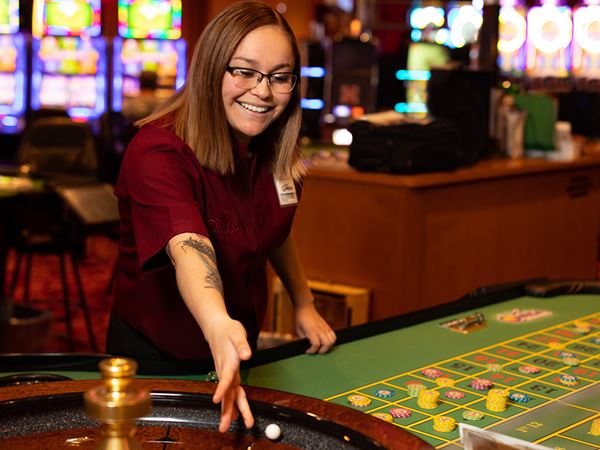
In ancient Greece, gambling was often linked to the Olympic Games, where competitors placed bets on athletic performances. The Romans, on the other hand, introduced more structured forms of gambling, with games like dice and betting on gladiatorial contests. This progression laid the groundwork for what we now recognize as modern casino games.
The Development of Modern Casinos
The first official casino, known as “Il Ridotto,” opened in Venice in 1638. This marked a significant turning point, as it was one of the first establishments to offer a controlled environment for gambling. Players could enjoy a variety of games under one roof, and this concept quickly spread across Europe, with more casinos emerging in places like Monte Carlo and Baden-Baden.
As gambling gained popularity, regulations were introduced to curb cheating and ensure fair play. The establishment of rules and standards contributed to a more reliable gambling experience, attracting a wider audience. The late 19th and early 20th centuries saw the birth of iconic casinos that would become synonymous with luxury and excitement.
The Technological Revolution in Gambling
The advent of technology in the 20th century revolutionized the casino experience. The introduction of slot machines in the 1890s transformed the gaming landscape, making gambling accessible to the masses. Unlike table games that required skill and strategy, slots offered instant gratification and became an instant hit.
With the rise of the internet in the late 1990s, online casinos emerged, providing a new platform for gambling enthusiasts. Players could now engage in their favorite games from the comfort of their own homes, leading to a significant increase in the gambling population. This shift also encouraged traditional casinos to incorporate technology, leading to innovations like electronic table games and mobile gaming apps.
The Impact of Legislation on Gambling
Gambling laws have played a crucial role in the evolution of casinos. Various jurisdictions have adopted differing approaches to gambling regulation, impacting how casinos operate. In the United States, the legalization of gambling in states like Nevada and New Jersey in the mid-20th century helped establish a robust casino industry that continues to thrive today.
As societal attitudes towards gambling evolved, more regions began to embrace its economic potential. Today, many countries have legalized casinos, and this trend shows no signs of slowing down. Regulatory frameworks are continuously being updated to ensure responsible gambling and player protection, reflecting the industry’s commitment to a safe gaming environment.

The Future of Casinos
The future of casinos appears bright, with ongoing innovations and trends shaping the industry. The integration of virtual reality and augmented reality is on the horizon, promising an immersive gaming experience like never before. Additionally, the rise of cryptocurrency and blockchain technology is beginning to influence how transactions are conducted within casinos, offering greater security and transparency.
As the gambling landscape evolves, casinos are expected to adapt by enhancing customer experiences, focusing on sustainability, and embracing technology. With these advancements, the casino experience will likely continue to attract diverse audiences, bridging the gap between ancient traditions and modern entertainment.